IN SHORT
A good eye cream meets seven criteria: (1) it is formulated for the eye area and ophthalmologically tested, (2) it keeps potential irritants such as fragrance and alcohol to a minimum, (3) it has a light, fast-absorbing texture, (4) its ingredients match your needs, (5) it uses strong actives with care, (6) it comes in hygienic packaging and (7) it is applied correctly. The eye doctor's key advice: apply it on the bone around the eye socket, not at the lash line.
Eye cream is one of the products with the most choice on the shelf and the hardest to choose. Labels promise to address wrinkles, dark circles and puffiness; yet the right choice starts with remembering how close this area is to the surface of the eye and how delicate it is. In this guide we bring together seven criteria for choosing an eye cream, from an eye doctor's point of view.
Why does the eye area need its own product?
The skin around the eyes is noticeably thinner than on the rest of the face and has fewer oil glands, so it dries out more easily and fine lines appear here earlier. The eyelids open and close thousands of times a day and facial expressions keep the area constantly moving. Most importantly, anything applied here sits very close to the eye surface and can mix with the tear film during the day or while you sleep. So when choosing an eye product, look not only at what it does for the skin but also at what happens if it gets into the eye.
Seven criteria for choosing an eye cream
1. Formulated and tested for the eye area
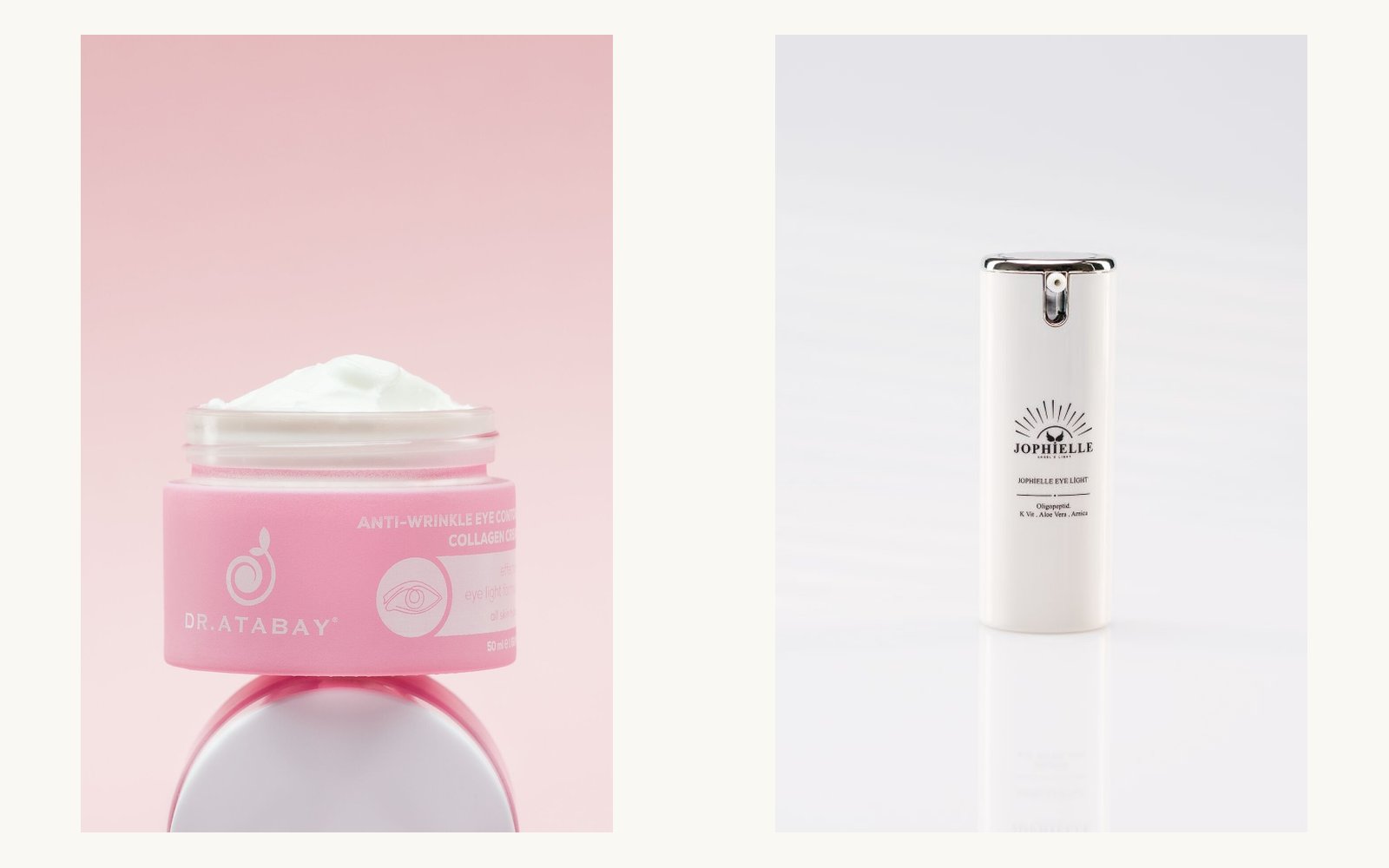
Look for "ophthalmologically tested" or "tested around the eyes" on the pack. This shows the product was assessed under eye-area conditions of use. Face creams are usually not designed with this area in mind; fragrance, acids or high-strength actives can sting and redden the skin around the eyes. For example, JOPHIELLE Eye Light Eye-Area Gel, available in pharmacies, is ophthalmologically and dermatologically tested.
2. Watch out for fragrance, alcohol and essential oils
Eyelid skin is one of the most common sites of cosmetic-related irritation and allergic reactions. If your skin is sensitive, or you have had itching and redness around the eyes before, choose products free of fragrance, alcohol and heavy essential oils. Before using a new product for the first time, you can test a small amount behind the ear or along the jawline for a few days.
3. Texture: light and fast-absorbing
Very rich, oily creams can drift towards the eye during the day or at night through contact with the pillow, causing stinging and blurry vision. In some people heavy textures are also associated with milia, small white bumps around the eyes. A gel or light cream for the day and a slightly richer but still fast-absorbing texture for the night is a good balance. Dr. Atabay Collagen Eye Contour Cream is designed to absorb quickly with its light formula.
4. Choose ingredients for your needs
No single eye cream addresses every concern equally. Identify your main need and read the ingredient list accordingly:
- Dryness and the look of fine lines: hyaluronic acid, glycerin, collagen and peptides hydrate and support a plumper, smoother look.
- Puffy, tired look: caffeine and aloe vera help the area look brighter and more rested. Applying the product chilled from the fridge in the morning adds a refreshing feel.
- The look of dark circles: vitamin C derivatives, niacinamide, vitamin K and arnica extract support care aimed at tone. But the cause of dark circles (pigmentation, vessels showing through thin skin or structural shadowing) varies between people, so the benefit to expect from a cream varies too. See our dark circles guide for details.
For example: Dr. Atabay Collagen Eye Contour Cream focuses on hydration and the look of fine lines with collagen. JOPHIELLE Eye Light contains caffeine, aloe vera, oligopeptides, arnica extract and vitamin K. JOPHIELLE Eye Contour Care Cream is a hydration-focused option with hyaluronic acid and seaweed extract.
5. Use strong actives with care
Retinol, acids such as AHAs and high-strength vitamin C are common in facial care; around the eyes they should be used only in low-strength products formulated specifically for this area, and with care. Start a retinol eye product on 2–3 evenings a week and pause if it stings or reddens. During pregnancy and breastfeeding, ask your doctor before using retinoid products.
6. Packaging and hygiene
Tubes, pumps and airless packs reduce contact between fingers and the product. If you use a jar, use a clean spatula. The "6M" or "12M" inside the open-jar symbol on the pack shows how many months the product can be used after opening. Pause eye-area products during an eye infection such as conjunctivitis or a stye, and don't share them with others.
7. Correct application matters as much as the right product
- Amount: a rice-grain amount in total is enough for both eyes.
- Finger: use your ring finger, which applies the least pressure.
- Area: dot the product on the bone surrounding the eye socket and spread it with light pats from the inside outwards. Don't apply at the lash line or the lid margin. For products meant for the upper lid, use a thin layer.
- Timing: applying night cream a little while before bed, rather than just before, reduces the chance of it moving into the eye overnight.
- Contact lenses: put your lenses in with clean hands first, then apply eye cream and wash your hands again.
- Daytime: sunscreen after eye cream plus UV-protective sunglasses is the most effective way to protect the eye area. We explain why in this article.
DOCTOR'S NOTE · DR. ŞEYDA ATABAY
“In my clinic I see that many complaints about eye creams come less from the product itself than from how it is applied. When cream is taken right up to the lash line it can mix with the tear film and cause stinging, watering, redness and blurry vision in the morning. Apply a rice-grain amount on the bone that surrounds the eye socket. Then, with your ring finger, spread it with small, gentle taps from the inner corner towards the temple — without pressing or pulling the skin. These light movements can help the eye area look more rested in the morning.”
Dr. Şeyda Atabay — Ophthalmologist
Where does eye cream go in your routine?
The general order is: cleanser → toner → serum → eye cream → moisturiser → (morning) sunscreen. Applying eye cream before face cream keeps the face cream from being carried into the eye area. For a daily routine against a tired look see this guide, and for a full morning-evening routine after 40 see this article.
When is an eye cream not enough?
Some situations call for an eye doctor's assessment rather than cosmetic care:
- Swelling, pain or redness on one side or appearing suddenly
- Persistent eyelid irritation with itching, flaking and crusting
- Yellowish plaques on the eyelid, or a growth that enlarges, bleeds or changes shape
- Loss of eyelashes or any change in vision
- Marked under-eye bags and drooping eyelids: these are mostly structural changes and are addressed by oculoplastic assessment, not cream. For aftercare see this guide.
IMPORTANT
This article is for general information. Cosmetic products do not replace medical treatment. If product gets into your eye, rinse with plenty of clean water and don't rub; if stinging, redness or blurry vision persists, see an eye doctor.
Frequently Asked Questions
At what age should you start using eye cream?
There is no set age. When you notice dryness or fine lines around the eyes, usually from the late 20s, you can start with a light, hydration-focused product. At any age, sun protection is the most important step.
Can I use my face cream around the eyes?
Some gentle, fragrance-free face creams may be tolerated, but a product formulated and tested for the eye area is the safer choice. Don't use face creams containing fragrance, acids or retinoids around the eyes.
What should I do if eye cream gets into my eye?
Rinse with plenty of clean water without rubbing. If stinging, redness or blurry vision does not settle quickly, see an eye doctor.
Can contact lens wearers use eye cream?
Yes. Put your lenses in with clean hands first, then apply eye cream on the bone around the eye socket, away from the lash line, and wash your hands again.
How long does an eye cream take to work?
Hydration and comfort can be felt quickly. For fine lines and a tired look, use the product consistently for several weeks.