After procedures such as eyelid surgery (blepharoplasty), under-eye bag surgery or under-eye fillers, one of the most common questions is: "When and how can I get back to my eye-area care?" In this guide we've gathered what you need to know to return to care safely, bearing in mind that healing is followed by the doctor who performed the procedure.
IMPORTANT
This article is for general information. Cosmetic products don't replace medical treatment. After a procedure, always follow your surgeon's instructions and ask them before starting a new product.
Why do bruising and swelling happen after a procedure?
The skin around the eyes is the thinnest on the body and the tissue beneath it is loose. That's why bruising and swelling after surgery or injections are a normal part of healing. How long they last depends on the procedure, the person's skin and their general health. Following and managing this period is your doctor's role.
What to keep in mind early on
- Your surgeon's instructions come first: follow advice on cold compresses, head position and eye drops or ointments exactly as given.
- Don't apply products to incisions or stitches: creams, gels, make-up and serums should wait until the area has fully closed and your doctor approves.
- Don't rub your eyes: avoid pressing on the area even if it feels itchy or dry.
- Protect from the sun: wear a wide-brimmed hat and sunglasses. Healing skin is more sensitive to sunlight.
When can you return to care?
Once incisions have closed, stitches are out and your surgeon approves, you can return to eye-area care. This differs for every procedure and every person, so there's no single right date. Starting with one product makes it easier to watch how your skin responds.
What to look for in an eye-area product
- Ophthalmologically tested: important for anything used close to the eyes.
- Light texture: gels spread easily without feeling heavy.
- A simple formula: avoid alcohol, strong fragrance and potentially irritating actives (strong acids, retinol) during this period.
- Purposeful ingredients: look for hydration and ingredients that target the look of dark, purplish under-eyes.
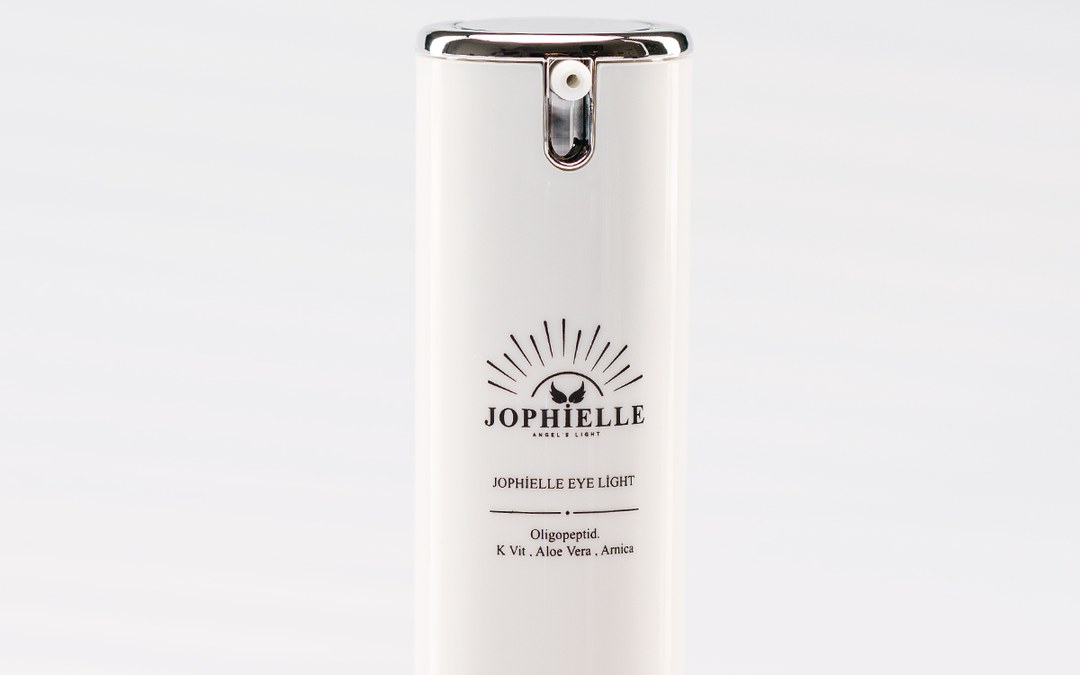
JOPHIELLE Eye Light Eye-Area Gel
JOPHIELLE Eye Light Eye-Area Gel was developed through R&D at Ege University Technopark and is ophthalmologically and dermatologically tested. Its light gel texture spreads easily over the area.
- Arnica extract and vitamin K: support care that targets the look of dark, purplish under-eyes.
- Caffeine: gives the eye area a fresher look and helps reduce the appearance of puffiness.
- Aloe vera: gives a feeling of hydration and comfort.
- Oligopeptides: support a smoother, plumper look.
Once your surgeon approves your return to skin care, it's one option you can add to your routine. Paraben- and silicone-free.
How to apply
On clean, dry skin, take a very small amount on the tip of your ring finger. Pat gently from under the eye toward the temple; don't rub or pull. Keep it away from the lash line and the eye itself. Use twice a day, morning and evening. Wearing sunglasses in the day helps protect the area.
WHEN TO SEE A DOCTOR
Contact the doctor who performed your procedure without delay if you notice increasing pain, redness, warmth or discharge; swelling or bruising that keeps increasing on one side; or blurred vision, double vision or difficulty closing the eye. If itching, burning or redness follows a new product, stop using it.
If you haven't had a procedure
Dark circles have many causes, including genetics, thin skin, lack of sleep and allergies. We cover causes and everyday care in our dark circles guide, and a daily eye-area routine in this article.
Frequently Asked Questions
When can I use an eye cream after eyelid surgery?
It depends on the procedure and how healing progresses. No cosmetic product should be applied until incisions and stitches have fully closed and your surgeon has given approval.
How long do bruising and swelling last?
It varies by person and procedure; for most people it starts to fade within days. Your doctor follows this process. If bruising or swelling lasts longer than expected or gets worse, contact your doctor.
Does a cosmetic eye gel treat bruising?
No. Cosmetic products don't replace medical treatment. Once healing is complete, they're used to support the hydration, comfort and appearance of the eye area.