IN SHORT
Five changes matter most as you move into autumn and winter: (1) switch to a gentler gel cleanser, (2) add a water-binding serum such as hyaluronic acid, (3) use a richer night cream, (4) apply a hydrating mask once or twice a week and (5) keep wearing sunscreen in winter.
When the weather turns cold, many people notice the same things: tightness after cleansing, flaking on the cheeks, makeup that doesn't sit well and a duller-looking complexion. A routine that worked all summer may no longer be enough in autumn. This guide explains why skin changes with the season and how to adapt your routine step by step.
Why does skin change when it gets colder?
Cold weather usually means lower humidity. Add indoor heating, long hot showers and wind, and water loss from the outer layer of the skin increases. The skin's protective barrier is under more pressure, so dryness, tightness, rough texture and sensitivity become more common. Even oily skin can feel dry in winter and then look shinier as it tries to rebalance.
Five changes for your autumn-winter routine
1. Use a gentler cleanser
Cleansers that foam heavily and leave a "squeaky" feeling can strip the skin's natural oils. Choose a gentle, pH-friendly gel cleanser and rinse with lukewarm rather than hot water. VENRÊVE Gentle Cleansing Gel is a paraben-free option with aloe vera; the Dr. Atabay Facial Cleansing Gel also offers gentle cleansing with aloe vera and green tea extract. See our cleanser guide to choose by skin type.
2. Add a hydration layer: hyaluronic acid
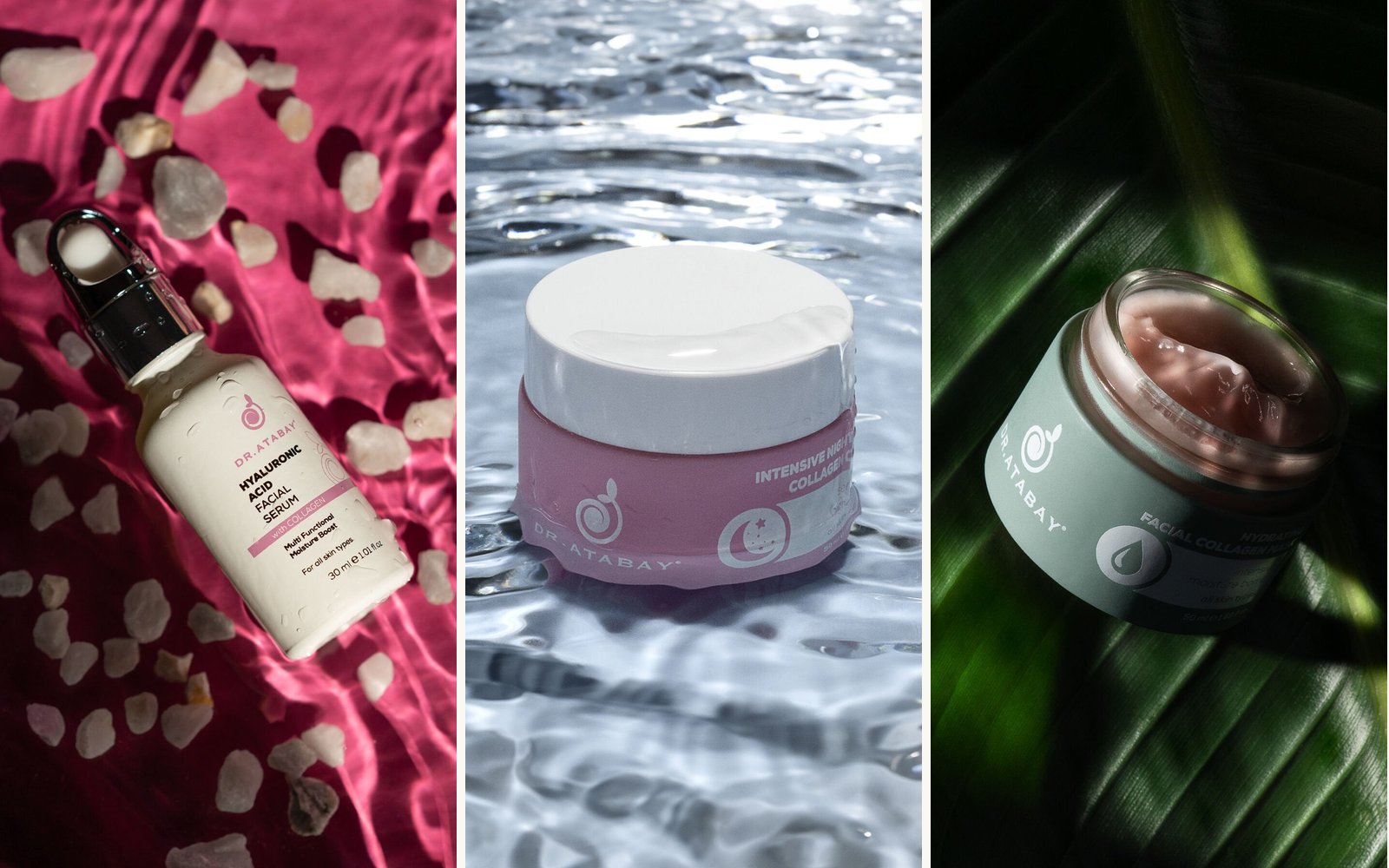
Hyaluronic acid is a humectant that binds water. Apply it to slightly damp skin after cleansing and "seal" it with a cream on top. Dr. Atabay Hyaluronic Acid Serum, with hyaluronic acid and hydrolysed collagen, is made for this step. Read more in our hyaluronic acid guide.
3. Make your night cream richer
Night is when skin is away from external stressors and alone with your care products. A light lotion may be enough in summer, but switching to a more nourishing night cream in winter helps reduce the feeling of tightness. Dr. Atabay Collagen Night Care Cream nourishes the skin overnight and supports a supple, rested look.
4. A hydrating mask once or twice a week
After a windy day or a long flight, skin needs extra support. Dr. Atabay Hydrating Collagen Mask offers weekly intensive hydration with collagen, shea butter and panthenol. Apply it to clean skin, ideally in your evening routine, following the product directions.
5. Don't drop your sunscreen
Winter sun may feel weaker, but UVA rays still reach the skin on cloudy days and through glass. Wearing sunscreen all year round is the most effective habit against dark spots and the look of premature ageing. Dr. Atabay SPF 30 Collagen Sun Cream is a good final step for your morning routine. We explain why in this article.
Should you cut back on acid toners and exfoliation?
Actives such as glycolic acid can be used in winter too, but if your skin reacts with tightness, stinging or redness, reducing the frequency makes sense — for example, every other day instead of daily, or switching to a gentle alcohol-free toner while skin feels dry. Our toner guide helps you choose.
Sample autumn-winter routine
Morning
- Gentle cleanse: lukewarm water and a gel cleanser.
- Hydrating serum: hyaluronic acid (optionally a vitamin C serum first).
- Moisturiser: according to your skin's needs.
- Sunscreen: SPF 30 or higher, every day including winter.
Evening
- Cleanse: if you wear makeup, remove it first, then use a gel cleanser.
- Hydrating serum: hyaluronic acid.
- Night cream: a richer texture.
- 1–2 evenings a week: a hydrating mask.
Small habits beyond the routine
- Keep showers short and avoid very hot water.
- Try to raise humidity in heated rooms.
- Moisturise your hands after washing and wear gloves in the cold — JOPHIELLE Hand Care Cream is one option.
- Don't forget your lips: carry a nourishing lip balm.
WHEN TO SEE A SPECIALIST
See a dermatologist if dryness comes with cracking, bleeding, intense itching, spreading redness or eczema-like patches, or if it doesn't improve with moisturiser. This article is for general information; cosmetic products do not replace medical treatment.
If you also want a routine for age-related changes, see our skin care after 40 guide.
Frequently Asked Questions
Should I change my moisturiser in winter?
For most people, yes. A light summer lotion may not be enough in cold, dry weather. Switching to a more nourishing night cream in the evening helps reduce tightness.
Do I need sunscreen in winter?
Yes. UVA rays reach the skin on cloudy days and through glass. Daily morning sunscreen all year round is recommended against dark spots and the look of premature ageing.
Does hyaluronic acid dry out skin in winter?
Hyaluronic acid binds water. In very dry environments, apply it to slightly damp skin and seal it with a cream for the best result.
How often should I use a hydrating mask?
Usually once or twice a week is enough. Follow the product directions for timing and application.
Does oily skin need moisturiser in winter?
Yes. Oily skin also loses water in winter. A light, non-comedogenic moisturiser helps maintain the oil–water balance.